
A patio kitchen extends the heart of the home into the backyard, turning weekend afternoons into social hubs where friends and family gather around sizzling food and cold drinks. Unlike a traditional BBQ grill, a well-designed outdoor kitchen combines cooking, prepping, and serving stations into one functional space, no more running back and forth to the indoor kitchen. Whether you’re working with a sprawling backyard or a modest patio, patio kitchen ideas range from simple two-burner setups to fully equipped outdoor centers with sinks, storage, and weatherproof appliances. This guide walks through practical designs, budget-friendly layouts, material choices, and styling tips that actually work for real homes and real entertaining.
Table of Contents
ToggleKey Takeaways
- A well-designed patio kitchen combines cooking, prepping, and serving into one functional space, eliminating the need to run back and forth to the indoor kitchen during entertaining.
- Outdoor kitchens increase home value and livability, with real estate data showing that functional outdoor spaces appeal to buyers and add resale equity, especially in warm-weather regions.
- Start with a budget-friendly patio kitchen setup including a grill, food prep counter, weatherproof storage, and lighting, then expand over time as your entertaining patterns become clear.
- Layout is critical—use the kitchen work triangle principle with grill, prep counter, and sink positioned for natural workflow, and ensure at least 3 feet of walking space on all sides.
- Choose durable outdoor-rated materials like stainless steel (grade 304 or 316), sealed concrete countertops, and pressure-treated lumber framing to withstand UV, moisture, and freeze-thaw cycles.
- Thoughtful finishes, consistent color and material choices, strategic lighting, and simple furnishings transform a patio kitchen from a utility space into an inviting gathering destination for year-round entertaining.
Why A Patio Kitchen Transforms Your Home
A patio kitchen isn’t just another backyard upgrade, it fundamentally changes how homeowners entertain and use outdoor space. The practical benefits are immediate: keeping food prep, cooking, and cleanup outside means the indoor kitchen stays calm during gatherings, guests stay engaged in one area, and cleanup takes minutes instead of hours.
Beyond logistics, outdoor kitchens increase home value and livability. Real estate data consistently shows that outdoor living spaces with functional kitchens appeal to buyers and add resale equity, particularly in warm-weather regions. A built-in grill paired with a food prep surface and storage transforms an empty patio into an entertainment destination.
The social shift matters too. An outdoor kitchen naturally becomes the gathering point, people gravitate toward the cook, conversation flows, and the atmosphere feels less formal than eating indoors. Even a minimal setup (grill plus a small work surface) creates this effect. Homeowners who invest in patio kitchens report using their backyards far more often, which means better quality time with family and more memorable entertaining.
Small Patio Kitchen Designs On A Budget
Budget constraints don’t mean sacrificing function. Many homeowners start with a compact patio kitchen and expand later, this is a smart, phased approach that spreads costs and lets you refine what you actually use.
A minimal patio kitchen setup includes:
• Built-in or drop-in grill (4–6 burners, stainless steel, $400–$1,500)
• Food prep counter (stainless steel or sealed concrete, at least 24 inches deep)
• Open storage shelving or a weatherproof cabinet for tools and supplies
• Outdoor-rated lighting (string lights, solar path lights, or a low-voltage fixture)
• Concrete pad or paver base (level, stable foundation)
For tight budgets, start with a portable grill on a sturdy outdoor table, add a weatherproof storage bench, and invest in a food-prep cart with wheels. As time and budget allow, build out a permanent structure. Many DIYers frame a simple three-sided counter using pressure-treated lumber (rated for outdoor use) and top it with sealed plywood or concrete.
Essential Appliances And Equipment
Choose appliances based on what you’ll actually cook. A 4-burner grill covers most entertaining needs without overkill. If you entertain frequently, add a side burner for sauces or a warming drawer below the grill. A mini fridge or beverage cooler keeps drinks cold without a full-sized unit eating up counter space.
A small, stainless steel sink (18–24 inches wide) makes a huge difference for rinsing produce, filling pots, and cleaning hands, don’t skip this. Pair it with a closed-loop water line if building permanent infrastructure, or use a portable basin for temporary setups. Storage should prioritize weatherproof containers for grilling tools, utensils, and charcoal or propane. Shelving or a lockable cabinet keeps moisture and pests at bay.
Skip expensive add-ons (pizza ovens, built-in espresso makers) until you know your entertaining style. Many projects stall because homeowners over-invest in features they rarely use.
Layout And Space Planning Tips
Layout makes or breaks an outdoor kitchen. A poor design forces the cook into tight quarters, blocks sight lines, or wastes patio space. Think in terms of the kitchen work triangle: grill, prep counter, and sink should flow naturally without awkward pivots or long walks.
For a small patio, a linear layout (all appliances and counter in one line) is efficient and space-saving. For larger patios, an L-shape or U-shape layout provides better traffic flow and separates the cooking zone from the dining area. Keep the grill and food prep counter adjacent, no more than an arm’s reach apart. Site the sink near the prep counter for easy cleanup and vegetable washing.
Measure twice and mark the intended footprint with chalk or string before building. A typical patio kitchen counter runs 8–12 feet long and 24–30 inches deep (depth depends on your grill size). Leave at least 3 feet of walking space on all sides to prevent congestion during entertaining. If space is tight, position the kitchen along one patio edge, facing into the yard, so guests can still flow around it.
Consider sun exposure and wind direction. An afternoon shade structure (pergola, umbrella) keeps the cook comfortable and prevents food from drying out or getting warm. Position the kitchen away from the prevailing wind to keep smoke from drifting toward seating areas. Proximity to the indoor kitchen matters too, shorter distances to grab supplies or store leftovers save time and steps.
Materials And Durability Considerations
Outdoor materials face constant UV, moisture, freeze-thaw cycles, and salt air (in coastal regions). Choosing wrong means rust, rot, and expensive replacements within a few years.
Stainless steel (grades 304 or 316) is the gold standard for appliances and work surfaces. It resists rust and salt corrosion far better than painted steel. Cost is higher upfront but durability pays off. Seal any stainless hardware regularly and wipe down after cooking to prevent water spotting.
Countertop materials: Sealed concrete works well and costs less than stone. Tile can crack from freeze-thaw if not frost-proof. Stone (granite, bluestone) is durable but requires annual sealing. Composite materials designed for outdoor use (like acrylic polymer tops) are lower-maintenance than stone and resist staining. Avoid interior laminate or unsealed wood, they won’t survive outdoors.
Cabinet framing: Pressure-treated lumber (rated for ground contact) resists rot far better than untreated wood. For extra durability, build the frame from composite lumber or vinyl decking materials. Paint or seal exterior-grade plywood backing, and use stainless steel or galvanized hardware (never bare steel screws or hinges, which rust quickly).
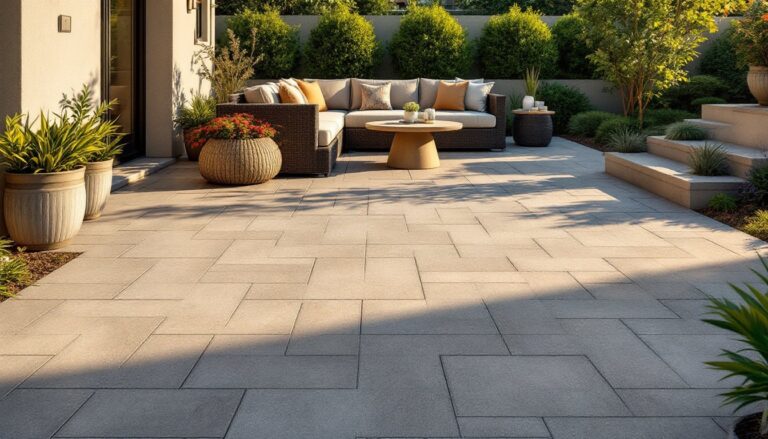
Flooring: The pad under your kitchen needs proper drainage. A level concrete slab works fine if it slopes slightly away (1/8 inch per foot) to prevent standing water. Pavers over a compacted gravel base are also good, provided joints don’t trap water. Avoid slippery surfaces: textured concrete or brushed pavers improve grip, especially around the sink where splashing occurs.
Budget for sealing and maintenance. Even quality materials need annual attention, sealing concrete and stone, wiping down stainless steel, checking hardware. This routine work adds years to an outdoor kitchen’s life.
Styling Your Patio Kitchen For Impact
Function comes first, but a patio kitchen should reflect your home’s style and the landscape. Thoughtful finishes and details elevate a utility structure into a destination space.
Color and material cohesion matter. If your home features warm wood tones, repeat that in pergola posts or trim around the kitchen. If the landscape is mostly green and stone, stainless steel and concrete reads clean and modern. Mismatched materials (say, redwood trim with black metal and bright tile) can feel cluttered.
Lighting extends the usable season into evening. A combination of task and ambient lighting transforms the kitchen from a daytime-only space. Recessed lights under an overhead structure or along shelving illuminate the cooking surface. String lights or lanterns create atmosphere for dining nearby. Solar path lights define edges safely. Plan electrical runs during construction, running weatherproof outdoor circuits later is messy and costly.
Planting and landscaping soften the hardscape. A tall shrub or climber behind the kitchen screens wind and provides visual interest. A patio hedge nearby creates a cozier feel. Keep plantings away from the grill (fire hazard) and food prep (pollen or debris).
Furniture and decor should complement, not overshadow, the kitchen. A simple dining table, a few stools at a counter overhang, and a shade structure create an inviting setup. Avoid overdecorating, the kitchen itself is the feature. Designers at Sunset magazine often showcase patio kitchens paired with simple, weather-resistant furnishings and minimal accessorizing, which reads more timeless than trend-focused setups. Likewise, Southern Living emphasizes functional outdoor spaces that blend seamlessly with existing homes rather than standing out as separate showpieces.
Storage and organization keep the space from looking chaotic. Open shelving shows attractive tools and dishware: closed cabinets hide clutter. Label storage bins for charcoal, propane, or tools so guests and family members know where things go.
Conclusion
A patio kitchen doesn’t require a massive budget or a sprawling yard. Start small with a grill and a prep surface, choose durable outdoor-rated materials, and expand as entertaining patterns emerge. The payoff, more time outside, easier entertaining, and a gathering spot that becomes the heart of summer, makes even modest patio kitchen projects worthwhile. Build smart, maintain regularly, and enjoy the space for years to come.