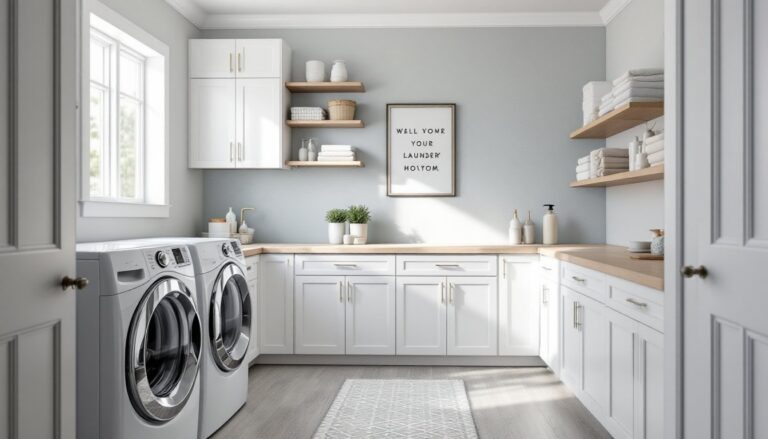

The laundry room isn’t just a place where clothes get clean, it’s a workspace where homeowners spend time sorting, folding, and managing household fabrics multiple times per week. Yet many laundry rooms get overlooked in renovations, treated as utilitarian spaces that don’t deserve thoughtful design. A well-planned laundry room remodel can transform this hardworking room into something genuinely enjoyable to use. Whether the goal is adding storage, improving lighting, upgrading flooring, or creating separate work zones, strategic updates make laundry day faster and less frustrating. This guide walks through practical laundry room remodel ideas that balance function and style without requiring a full gut renovation.
Table of Contents
ToggleKey Takeaways
- Strategic laundry room remodel ideas prioritize storage, lighting, and zoning to transform this hardworking space into an organized, efficient workspace.
- Custom cabinetry, floating shelves, and industrial shelving maximize storage without consuming floor space, with wall-mounted options costing under $300.
- Upgrading to LED lighting and adding task lights directly above work areas improves visibility, uses 75% less energy, and costs $100–250 for installation.
- Luxury vinyl plank and ceramic tile offer water-resistant flooring solutions ($2–8 per square foot) that withstand laundry room moisture and humidity.
- Separate the space into functional zones for washing, drying, folding, and storage to eliminate backtracking and streamline daily laundry tasks.
- Phase your remodel starting with affordable paint and organization ($100–300), then progress through lighting, flooring, and cabinetry to spread costs and maximize ROI.
Maximize Storage With Custom Cabinetry And Shelving
Storage is the backbone of an efficient laundry room. Open shelving, wall-mounted cabinets, and built-in drawers keep supplies organized and off countertops, making the space feel larger and cleaner.
Wall-mounted cabinetry above and beside the washer and dryer offers serious storage without consuming floor space. Pre-made cabinet sets cost less than custom options and install in a weekend if mounted directly into studs. For renters or those avoiding permanent installation, freestanding metal shelving units (often called industrial shelving) work almost as well and cost $150–300 per unit. These typically hold 4–5 shelves and accommodate laundry baskets, bottles of detergent, and supplies.
For frequently used items, install floating shelves at arm height near the folding area. Space them 12–16 inches apart vertically to fit laundry baskets and cleaning bottles. Secure them with heavy-duty brackets rated for at least 50 pounds per shelf, laundry supplies add up fast.
Drawer organizers and label makers prevent the dreaded “Where did I put the stain remover?” moment. Assign zones: detergents and softeners in one drawer, spot treatments in another, lint rollers and fabric fresheners in a third. This takes an afternoon to set up and saves time daily.
Improve Lighting For Better Visibility And Energy Efficiency
Poor lighting turns sorting whites from colors into a guessing game and makes folding feel like a chore. Most laundry rooms rely on a single ceiling fixture, not enough for detailed work.
Add LED panel lights or recessed lighting directly above the folding table and above the washer/dryer pair. These spread light evenly and consume 75% less energy than older incandescent fixtures. A two-fixture setup costs $100–250 for fixtures and installation, a smart investment if you’re already painting or refreshing the space.
For task lighting without rewiring, consider under-cabinet LED strips. These battery-operated or plug-in strips mount underneath upper cabinets and illuminate the counter and appliances below. They cost $20–50 and take minutes to install with adhesive backing.
Daylight also helps. If the room has a window, keep it clear and consider adding a light-filtering shade to control glare without blocking natural light. North-facing windows provide soft, consistent light that doesn’t fade colors like direct sun does.
Switch to warm white LEDs (2700K color temperature) rather than cool white. Warm light is more flattering and makes the space feel inviting rather than institutional. Pair this with motion-sensor switches if the room gets minimal foot traffic, these turn off automatically and save energy when nobody’s inside.
Upgrade Flooring For Durability And Easy Maintenance
Laundry rooms take a beating: water spills, dropped bottles, heavy appliances, and humidity. Choose flooring that handles moisture and cleans easily.
Luxury vinyl plank (LVP) or luxury vinyl sheet stands up to water better than laminate and costs $2–6 per square foot installed. It feels warmer underfoot than tile, doesn’t crack, and wipes clean in seconds. Most vinyl products carry 10–15 year warranties. Look for waterproof vinyl with underlayment rated for kitchens and bathrooms: laundry rooms sit in that durability sweet spot.
Ceramic tile ($4–8 per square foot) is bulletproof for water resistance and looks professional, though grout lines trap dust and require occasional sealing. Matte-finish tiles prevent slipping when wet. If choosing tile, use a hydrophobic grout sealer initially, then annually, to prevent mold and mildew.
Epoxy-coated concrete works if the room sits on a concrete slab. It’s moisture-proof, incredibly durable, and costs $200–500 to install. Paint-on epoxy ($30–80) covers cracks and stains for a fresh look.
Avoid untreated wood, carpet, and laminate. Water exposure causes warping and delamination, requiring costly replacement. Prep the subfloor before installing anything: patch cracks, allow the slab to dry completely, and address any existing moisture issues. Flooring failures often stem from skipping this step.
Create A Functional Layout With Dedicated Work Zones
A poorly arranged laundry room forces people to backtrack and twist around appliances. Separate the space into clear zones: washing, drying, folding, and storage.
The washing zone centers on the washer, ideally with a small counter or shallow shelf beside it for sorting and holding detergent. A hamper underneath a wall shelf keeps dirty laundry contained before it enters the machine. Allow at least 24 inches of clearance in front of the washer door so it opens fully without hitting the opposite wall.
The folding zone works best near the dryer, on a counter or table at waist height (36 inches). Position it where natural or overhead light hits directly. If space is tight, a fold-down table (wall-mounted) stores away when not in use. This zone should sit away from the washer to avoid traffic jams during the laundry cycle.
The drying zone (the dryer itself) needs 12–18 inches of clearance on either side and a few inches above for air circulation. Ensure the dryer vent exhausts outside through a rigid or semi-rigid duct (never flexible dryer duct routed into walls, it’s a fire hazard). Check local IRC codes for vent routing: building codes vary by region.
The storage zone takes the remaining wall space: upper cabinets for supplies, lower shelves or drawers for baskets of clean folded items waiting to be distributed. This prevents the “folded clean clothes sitting on the table” phenomenon.
Measure everything before shopping for cabinets or furniture. A rough sketch helps visualize traffic flow and prevents expensive mistakes.
Add Style With Paint, Decor, And Finishes
Paint is the quickest and cheapest way to transform any laundry room. Choose colors that feel clean and energizing without being sterile.
Soft whites, pale grays, and light blues make small rooms feel larger and show stains less (practical in a space where spills happen). If painting, use semi-gloss or satin-finish paint rather than matte: moisture bounces off these finishes better and they wipe clean. Pre-prime the walls, especially if covering stains, using a stain-blocking primer (like Kilz or Zinsser). One coat of primer plus two coats of finish paint takes a weekend and costs $50–100 in materials.
Add simple decor touches without clutter. A small wall-mounted shelf displaying neatly folded linens or a framed sign creates visual interest. Keep it minimal, laundry rooms function best uncluttered. A runner rug ($15–40) defines the walking path, softens the floor underfoot, and ties colors together.
Upgrade hardware on cabinets and drawers if existing pieces look dated. Matching stainless steel or brushed nickel handles ($2–5 each) instantly modernize the look. Swap out the light fixture shades to match cabinet finishes for cohesion.
Consider peel-and-stick wallpaper on one accent wall if renting or hesitant about permanent changes. Modern removable wallpaper costs $20–60 per roll and applies over primer like regular wallpaper. Install according to package directions and peel it off cleanly when moving or redecorating.
Budget-Friendly Alternatives For Every Renovation Phase
A full laundry room remodel can run $3,000–8,000+ depending on structural changes and finishes. Smart phasing spreads costs and lets homeowners DIY simpler tasks.
Phase 1 (Paint & Organization): $100–300
Paint walls, install basic shelving, buy storage containers. These updates take a weekend and deliver visible results immediately. Many laundry room remodel ideas start here because the ROI is huge relative to effort.
Phase 2 (Lighting & Hardware): $300–600
Add LED fixtures and upgrade cabinet hardware. This improves daily usability without requiring plumbing or electrical work beyond standard outlet access. Plug-in LED strips avoid rewiring entirely.
Phase 3 (Flooring): $800–2,000
LVP or tile installation transforms the feel and durability. DIY installation saves labor costs if comfortable with basic flooring techniques. Preparation and subfloor repair often cost as much as the flooring itself, so budget accordingly.
Phase 4 (Cabinetry): $1,500–4,000
Custom built-ins or semi-custom cabinet sets. This phase ties earlier updates together and maximizes storage efficiency. Pre-made options cost less than fully custom work but require careful measurement. Comparisons at ImproveNet help weigh contractor quotes and materials.
For inspiration during planning, browse laundry room designs and layouts to see finished projects and gather ideas. Home renovation ideas and tips also guide overall project planning and sequencing.
Conclusion
A thoughtful laundry room remodel, whether phased or all-in, turns a neglected utility space into an organized, pleasant room. Start with storage and paint, add targeted lighting, then move into bigger investments like flooring and cabinetry. Honest prep work and honest assessment of DIY skills prevent costly mistakes. The payoff is a laundry room where tasks move faster and the space feels intentional rather than forgotten.