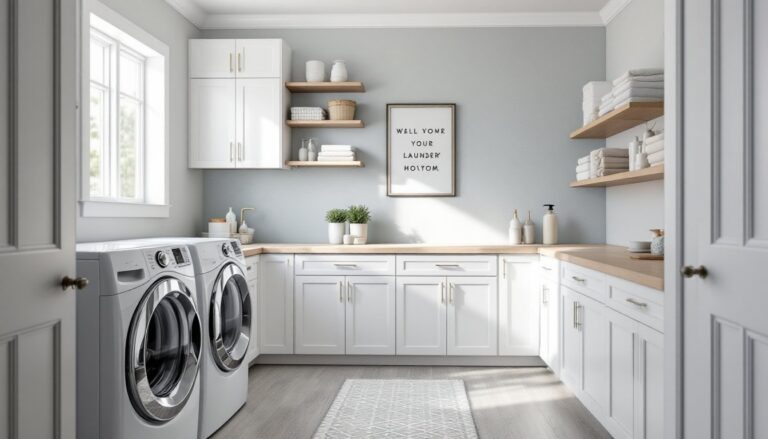

A packed kitchen pantry crammed into a postage-stamp space is a common frustration for homeowners in apartments or smaller homes. Without strategic organization, small pantries become black holes where cereal boxes tumble forward and spices disappear into dark corners. The good news: maximizing a small pantry doesn’t require renovation or professional help. With smart vertical solutions, container systems, and honest decluttering, homeowners can squeeze significantly more storage out of tight spaces. This guide walks through seven practical pantry ideas that work in cramped kitchens, no carpenter’s license required.
Table of Contents
ToggleKey Takeaways
- Measure your pantry space and inventory all items by category before buying storage solutions to avoid purchasing shelves or containers that don’t fit your actual needs.
- Vertical storage solutions like wall-mounted shelves and over-the-door organizers maximize limited space without requiring permanent renovations or professional help.
- Use airtight containers with clear labels and stack items front-to-back to reduce depth usage and keep track of expiration dates in your small kitchen pantry.
- Apply the FIFO (First In, First Out) principle and commit to removing one old item for every new item purchased to prevent the pantry from overcrowding.
- Declutter every 3–6 months, wipe shelves monthly, and resist overstocking to maintain a functional pantry that serves as a working tool rather than a storage closet.
- Consider multi-functional furniture like rolling carts or tall narrow cabinets as alternative pantry solutions for kitchens with extremely limited wall space.
Assess Your Space and Inventory
Before buying shelves or containers, take stock of what you’re actually working with. Measure the pantry’s width, depth, and height from floor to ceiling using a steel tape measure. Account for door swing and any obstacles like outlets or existing framing.
Next, pull everything out of the pantry and group items by category: baking supplies, canned goods, dried pasta, snacks, oils and vinegars, breakfast items, and so on. This inventory step reveals what you really own, many homeowners discover duplicate items or expired products they’d forgotten about. It also shows you which categories take up the most space, helping you decide where vertical storage will help most.
Once you know your dimensions and inventory, you can plan shelf placement and container sizes strategically. This prevents buying shelving that’s too wide or containers that don’t fit your actual stock.
Vertical Storage Solutions
Wall-Mounted Shelving and Racks
Vertical real estate is your best friend in a small pantry. Wall-mounted shelving transforms unused wall space into prime storage. Floating shelves (sometimes called cleats or ledger shelves) install with brackets that anchor into wall studs, providing clean lines without visible hardware. For pantries, stainless steel or powder-coated metal shelving is more durable than wood: it resists moisture, spills, and food odor absorption.
Measure stud spacing, typically 16 inches on center in most homes, before drilling holes. Use 2½-inch wood screws rated for the shelf’s weight capacity, and always anchor into studs, not just drywall anchors. A single shelf holding canned goods and glass jars can easily weigh 40–60 pounds: drywall anchors alone will fail.
Space shelves 12–15 inches apart vertically to accommodate typical cereal boxes, oil bottles, and stacked containers. If you’re installing multiple shelves, a level is non-negotiable: even a ½-inch slope becomes obvious when cans roll.
Alternatively, adjustable metal wire shelving units (like restaurant-style racks) fit into corners and against walls without permanent installation. They’re not pretty, but they’re adjustable, stable, and perfect for renters who can’t modify walls.
Over-the-Door Organizers
Pantry doors rarely see heavy traffic, making them ideal for lightweight, frequently accessed items. Over-the-door racks and hanging organizers add storage without taking up wall space. Look for narrow profile designs that don’t interfere with door swing: most modern over-the-door organizers are 4–6 inches deep.
Use these for spices, small canned goods, instant oatmeal packets, or dried herbs. Avoid hanging heavy glass jars or full wine bottles, the hinges and mounting hardware aren’t rated for sustained weight. Most over-the-door organizers max out around 15–20 pounds total.
Installation is straightforward: hang the organizer over the top of the door using the provided hooks or adhesive strips. Adhesive strips are gentler on rental doors, but ensure your organizer isn’t so packed that it swings the door closed on its own.
Container Systems and Drawer Dividers
Loose boxes and bags waste space and create clutter. Container systems, matching plastic bins, glass storage jars, or vacuum-sealed bags, maximize vertical space and protect food from pests and moisture.
Airtight plastic containers are budget-friendly and stackable. Label them clearly with contents and expiration dates using a label maker or waterproof tape and a permanent marker. Stack containers front-to-back to reduce depth usage: a single column of stacked cereal containers takes far less horizontal space than side-by-side boxes.
For dry goods like flour, sugar, and pasta, glass or BPA-free plastic canisters with tight lids maintain freshness and look neater than original packaging. These also make it obvious when items are running low. A typical 2-quart capacity works for most pantry staples: estimate based on your household consumption.
Drawer dividers or small pull-out organizers (if your pantry has shelves close to waist height) separate similar small items, baking soda, yeast packets, soup mixes, so nothing gets lost. A wooden or plastic 3-compartment caddy fits snugly on shelves and keeps related items grouped.
Pantry door shelves and deep shelves benefit from tiered shelf risers or step-shelf organizers. These create a stair-step effect, making items at the back visible without moving items in front. This technique prevents the “black hole” problem where full bottles and cans hide behind shorter boxes.
Declutter and Rotate Your Stock
No storage hack will help if the pantry is stuffed with expired crackers and duplicate pasta boxes. Decluttering is the unsexy but essential foundation.
Use the “FIFO” principle (First In, First Out): place newer items behind older ones so older stock gets used first. This is especially critical for baking supplies, canned goods, and anything with expiration dates. Homeowners often overlook this step, then wonder why their pantry feels perpetually packed.
Check expiration dates and toss anything past its date. Stale flour, old spices, and rancid oils don’t improve with age. Resources like Real Simple’s decluttering guides offer detailed strategies for deciding what stays and what goes.
Establish a “donation box” for unopened, non-expired items you won’t use. Food banks accept many shelf-stable goods. This frees up space and reduces waste.
Then, commit to a rule: if you buy a new item, something old must go. This prevents the pantry from expanding back to overcapacity within weeks. It’s less glamorous than installing new shelves, but it’s often the most effective small-pantry solution.
Multi-Functional Furniture and Nooks
If wall space is truly limited, think beyond traditional pantries. A tall, narrow cabinet or tower unit (24–30 inches wide) fits in corners or unused kitchen niches, functioning as a secondary pantry. Opt for open shelving rather than solid doors to avoid a cluttered interior: glass doors are a middle ground if you prefer concealment.
A rolling kitchen cart with multiple tiers works well for renters or anyone who wants portable storage. Position it against a dead wall or pull it out when needed. Three-tier carts typically hold 50–75 pounds and cost between $40–$120, depending on material and size.
For kitchens with under-sink cabinet space, tiered under-sink shelf risers or sliding organizers double storage without adding footprint. These work for stacking cleaning supplies alongside pantry overflow items, though keep food and chemicals separated for safety and hygiene.
In galley or single-wall kitchens, a tall, shallow credenza styled as furniture rather than obvious storage blends into decor while holding significant pantry overflow. Some homeowners convert a small closet just outside the kitchen into a secondary pantry with basic shelving, offering an alternative if the main pantry is truly cramped.
Sites like Apartment Therapy feature small-kitchen tours that showcase unconventional pantry solutions in tight homes. Browsing real examples often sparks ideas tailored to your specific layout.
Maintenance and Long-Term Success
After organizing, maintenance keeps the system from collapsing. Wipe down shelves monthly with a damp cloth to prevent dust buildup and spills. Check container seals quarterly: broken gaskets let moisture in and attract pests.
Season your pantry like you’d season a closet: every 3–6 months, pull out everything, check dates, and reorganize. This prevents slow creep back to chaos. The Kitchn’s kitchen organization tips include seasonal pantry resets that fit different cooking styles and seasons.
Label everything clearly, and make labels consistent. A household where everyone knows where the baking soda lives is a household with a functional pantry. Use waterproof labels for containers that might get humid or splashed.
Finally, resist the urge to overstock. A pantry packed to the ceiling is inefficient: you can’t see what you own, and items expire before you use them. Aim for “enough to handle a busy week and a surprise dinner guest,” not “enough to weather a six-month siege.” This mindset shift, viewing the pantry as a working tool, not a storage closet, is what separates organized kitchens from crowded ones.
Conclusion: Smart Storage, Realistic Expectations
Maximizing a small kitchen pantry comes down to three principles: vertical thinking, honest assessment, and ruthless decluttering. Wall-mounted shelves, containers, and multi-functional furniture can transform cramped closets into functional spaces. The work is mostly effort and measurement, no carpentry license or expensive renovations needed. Start with your inventory, plan your vertical layout, and commit to rotating stock. Within a weekend, most homeowners see dramatic improvements in usability and peace of mind.