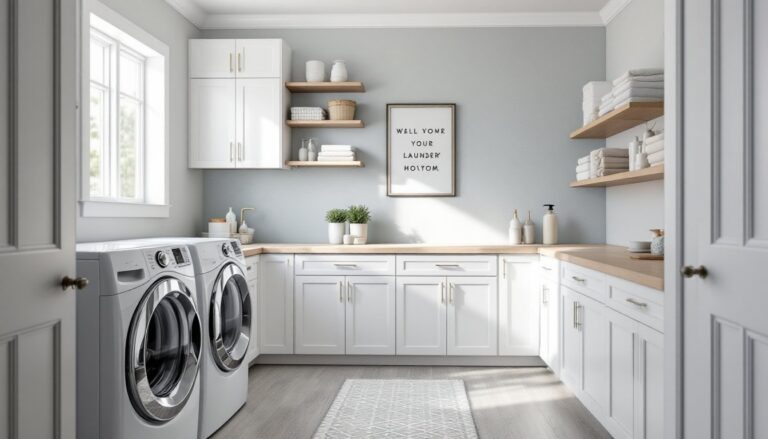

Open shelving has moved beyond Pinterest fantasy into practical, everyday kitchen design. Whether you’re renovating your whole kitchen or just want to swap out a few cabinet doors, open shelving offers flexibility and visual breathing room that closed cabinets can’t match. The trick isn’t just ripping off cabinet doors and calling it done, it’s about understanding what actually works for your space, your lifestyle, and your willingness to keep things tidy. This guide walks through the real-world decisions you’ll face when considering open shelving kitchen ideas, from material choices to styling strategies that look intentional, not chaotic.
Table of Contents
ToggleKey Takeaways
- Open shelving kitchen ideas create an airier, more accessible space by removing visual clutter and making everyday dishes and tools within arm’s reach—saving time and frustration for regular cooks.
- Wood remains the most popular material for open shelving due to its warmth and character, though stainless steel offers superior durability and glass provides visual lightness for smaller kitchens.
- Effective styling requires intentional organization with 70% functional items and 30% negative space, grouped by category, layered with textures, and decorated with one element per shelf to avoid a chaotic appearance.
- Budget-friendly open shelving solutions include removing existing cabinet doors and refinishing ($30–$50 in paint), installing basic floating shelves ($60–$150), or sourcing reclaimed wood at $2–$8 per board foot.
- Shelves installed above stovetops collect grease and require frequent maintenance, making glass a better material choice than wood in those high-heat, high-humidity zones.
- Start with one shelf or wall to test the concept before committing your entire kitchen, since open shelving demands ongoing organization and may not suit every lifestyle or cooking style.
Why Open Shelving Works for Modern Kitchens
Open shelving works because it solves a genuine problem: kitchens stuffed with closed cabinetry feel cramped and dated. When you remove upper cabinet doors, your sightline extends across the entire wall, making even a small kitchen feel airier. There’s also the practical angle, you actually see what you own, so you’re less likely to buy duplicates or forget about that pasta pot buried in the back.
From a design standpoint, open shelves force intentionality. You can’t just shove things out of sight. This means you’ll naturally curate what lives on display, keeping only the pieces you actually use and like looking at. That constraint often leads to a cleaner aesthetic.
The real benefit, though, is accessibility. Everyday dishes, glasses, and cooking tools live within arm’s reach. No more reaching into deep cabinets or digging through stacks. If you cook regularly, this saves time and frustration. It also works well for smaller kitchens where cabinet depth eats up precious counter or floor space.
Choosing the Right Shelf Materials and Finishes
Wood vs. Metal vs. Glass: Which Works Best
Your shelf material sets the tone for the entire kitchen and affects durability, maintenance, and cost.
Solid Wood (walnut, oak, maple, or reclaimed pine) brings warmth and character. It’s forgiving, minor dings add character rather than obvious damage. Wood shelves typically measure 1.5 inches thick (nominal 2 inches) for a solid, heirloom feel. The downside: wood absorbs kitchen moisture and heat. You’ll need to seal it (polyurethane, oil, or wax) and expect occasional refinishing. Wood costs more upfront, expect $300–$800 per shelf depending on wood species and length.
Stainless Steel works beautifully in modern, industrial, or minimalist kitchens. It’s durable, easy to wipe down, and won’t sag under weight. It’s also cold-looking, so it pairs best with warm wood cabinetry below or open brick. Steel shelves run $250–$600 per shelf. Watch for fingerprints if you choose a polished finish.
Tempered Glass creates visual lightness because you can see straight through to the wall behind. It’s excellent for small spaces or if you want an airy feel. Glass doesn’t absorb odors or moisture, and it wipes clean instantly. The trade-off: glass breaks if mishandled, and dust and drips show on both sides. Tempered glass shelves (3/4 inch thick, weight-rated for 75–100 pounds per shelf) cost $200–$500. Thinner glass sags noticeably.
For most kitchens, open shelving kitchen photos show that wood remains the most popular choice because it blends function with warmth. If durability is your top priority, steel edges out wood. Glass works if you’re willing to keep it meticulously organized.
Finish matters too. A matte or oil finish on wood hides water spots better than glossy polyurethane. Matte steel hides fingerprints better than polished.
Styling and Organizing Open Shelves
Styling open shelves is less about perfection and more about intentional arrangement. Start by grouping items by category, plates with plates, glasses with glasses, serving dishes in one zone. This creates visual rhythm and makes finding things easier.
Color coordination helps without looking rigid. Neutral whites, creams, and natural wood tones form a calming backdrop. If you want color, lean on cookbooks with matching spines, or repot plants into matching ceramic containers. Avoid a rainbow effect unless minimalism isn’t your goal.
Mix heights and shapes. Stack some plates flat, stand others upright. Vary the depth of items, some flush to the wall, some reaching forward. This broken-line composition looks more dynamic than a wall of identically arranged mugs.
Include at least one decorative element per shelf. A small plant, a framed photo, or a decorative bowl breaks up the kitchen-supply look. But don’t crowd, negative space is your friend. Shelves that are 70% functional items and 30% breathing room look organized and intentional. Packed-solid shelves look chaotic, even if everything matches.
According to design advice for open kitchen shelves, layering textures (matte ceramics, glossy glassware, woven placemats, matte cookbooks) makes displays feel collected rather than sterile. Accessibility matters too, put everyday items at eye level (roughly 36–66 inches from the floor), and reserve the awkward top shelf for occasional-use serving pieces or decoration.
Budget-Friendly Open Shelving Solutions
You don’t need a renovation budget to add open shelving. The cheapest route: remove existing cabinet doors and refinish the interior. If your cabinet boxes are in decent shape (no water damage, solid plywood), this costs next to nothing except your labor. Just clean the interior, patch nail holes, and paint. A quart of kitchen-grade paint (sherwin-williams Emerald or Benjamin Moore Advance) runs $30–$50.
If you’re adding shelves from scratch, floating shelves are the entry point. A basic wall-mounted shelf (24 inches long, steel or wood, with brackets) costs $60–$150 installed. You’ll need a stud finder and a drill to locate wall studs, open shelving shelves must be anchored into studs or heavy-duty wall anchors, not drywall alone. A typical open-shelf setup (three shelves, 24–36 inches wide, with brackets) runs $200–$500 installed if you do the work yourself.
Reclaimed wood is another budget play. Salvage yards and online marketplaces often sell old floorboards, barn siding, or reclaimed lumber at $2–$8 per board foot. A reclaimed 30-inch shelf costs roughly $40–$80 in materials, plus another $40 in bracket hardware. It looks expensive but costs half as much as new wood.
Another angle: keep closed cabinetry where it counts (under the sink, for cleaning supplies) and swap open shelving only above counters. This minimizes the styling burden and keeps mess-prone items hidden. Resources like kitchen organization and design ideas outline similar hybrid approaches.
Safety note: Open shelves over a stove or cooktop collect grease and require more frequent cleaning. If you install shelves there, expect steeper maintenance and consider glass instead of wood.
Conclusion
Open shelving kitchen ideas work best when you match the material to your style, commit to maintenance, and organize intentionally. Whether you choose wood for warmth, steel for durability, or glass for lightness, the shelf itself is only half the job. The real work, and reward, comes from curating what lives on it. Start small, test the concept with one shelf or one wall, and refine from there. Open shelving isn’t right for every kitchen or every cook, but when it clicks, it transforms both how your kitchen functions and how it feels.