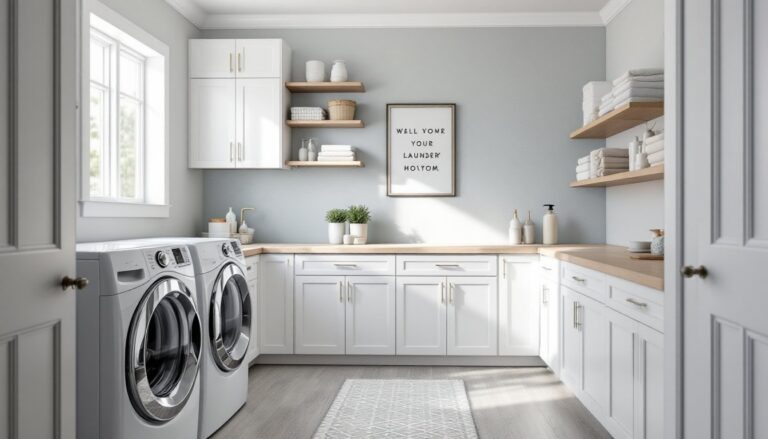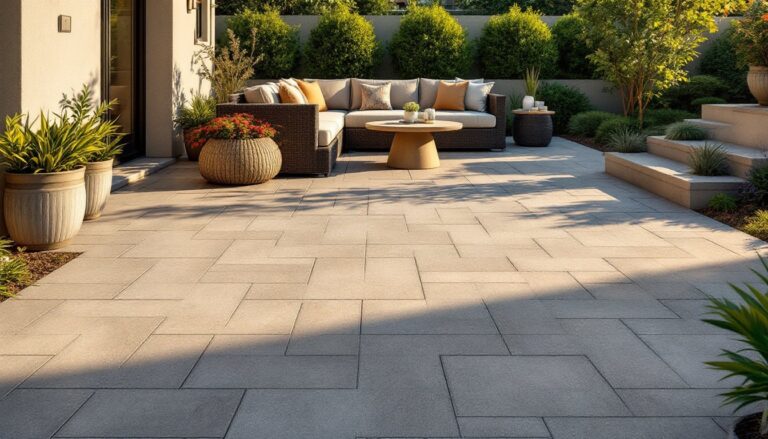

A cramped kitchen doesn’t mean you’re stuck with boring floors. The right tile choice can actually make a small kitchen feel larger and more open, without expanding your square footage by an inch. Light colors, smart layouts, and strategic patterns are proven techniques that pull the eye across the space and reflect light, creating an illusion of depth. This guide walks through concrete small kitchen floor tile ideas that work, from subway layouts to geometric shapes, so you can pick finishes and patterns that suit both your space and your DIY comfort level.
Table of Contents
ToggleKey Takeaways
- Light-colored tiles like white, cream, and soft beige bounce light around the room and create the illusion of a larger space in small kitchens.
- Small kitchen floor tile ideas work best with strategic layouts like running bond or herringbone patterns that guide the eye horizontally and add visual interest.
- Smaller tile formats (6×6 inches or 8×8 inches) and subway tiles reduce waste during installation while creating visual rhythm in compact spaces.
- Matte and textured finishes provide both style and safety by offering slip-resistance (COF 0.60 or higher) compared to slippery glossy options.
- Measure your kitchen width carefully and plan layouts on graph paper before installation to avoid wasting tiles on unnecessary cuts and rework.
- Light-colored grout lines should be pre-sealed after installation to prevent staining and maintain the open, expanded appearance of a small kitchen.
Light-Colored Tiles to Brighten Compact Kitchens
White, cream, light gray, and soft beige tiles are workhorses in small kitchens. They bounce light around the room and create visual expansion, a fundamental design principle backed by real results. Glossy finishes amplify this effect even more by reflecting overhead and natural light, though matte finishes are easier to keep clean and safer underfoot.
Ceramic and porcelain both work well here. Porcelain is denser and slightly more stain-resistant, making it the smarter choice if your kitchen gets heavy traffic or you’re worried about spills staining grout. Most light tiles come in standard sizes like 12×12 inches or 18×18 inches, which tile manufacturers produce in bulk and keep affordable.
Grout color matters too. White or light gray grout lines disappear visually, while dark grout creates visual breaks that chop up a small floor. Stick with light grout to maintain that open feeling. Pre-seal any light-colored grout after installation, the extra 15 minutes prevents stains that’ll nag at you for years.
When browsing palettes, check samples under your actual kitchen lighting, not the showroom’s bright floodlights. What looks pristine white there might read cold or yellow at home. Home Renovation Ideas: Examples can spark real change and help you visualize how light tiles work in real kitchens with your appliance colors and cabinetry.
Small Format Tiles for Visual Continuity
Smaller tiles, think 6×6 inches, 8×8 inches, or even 4×4 inch mosaics, create more grout lines per square foot. More lines might sound bad, but they actually create visual rhythm and can make a tight floor feel less monotonous. Smaller formats also fit easier around cabinets and islands without requiring lots of cuts, which saves time and reduces waste.
Subway Tile Patterns and Layouts
Subway tiles (typically 3×6 inches or 4×8 inches) have dominated small kitchens for years because they’re practical and visually clean. The classic running bond pattern, offset rows, like a brick wall, works especially well in compact spaces. It guides the eye horizontally across the floor, emphasizing width.
For true DIY installation, running bond is forgiving. Mark reference lines, spread thinset mortar with a notched trowel in small sections, and press tiles in straight rows. Use plastic spacers (usually 1/8 inch or 1/4 inch, depending on the look you want) to keep gaps even. After 24 hours, grout fills those joints.
Wider subway tiles (4×8 inches) cover more area per tile but need more careful layout. Odd-sized cuts around perimeters become necessary in most kitchens. Measure twice. If your kitchen width isn’t evenly divisible by your tile width, draw the layout on graph paper first, that 10 minutes saves you from ripping out half-installed tiles.
Hexagonal and Geometric Shapes
Hexagons, diamonds, and penny-round tiles add personality without overwhelming a small floor. A 8-inch hexagonal tile still maintains that streamlined look while breaking up the grid. Geometric shapes read as intentional, not just “whatever was affordable.”
These irregular shapes require more attention during layout. Start from the center of the room and work outward so cut pieces end up at walls where they’re less visible. Corners and edges around cabinets will need nibbling with a wet saw. If you don’t own or rent a wet saw, most tile shops will cut edge pieces for a small fee, check your budget upfront.
Mixing formats, say, 6×6 inch tiles with smaller 2×2 inch accents, also works in moderation. A single border or accent strip draws the eye without chaos. Keep the majority of the floor unified, though, or a small kitchen starts to feel fragmented. Houzz showcases countless small kitchen tile combinations so you can see real installations and how much grout contrast you actually like.
Herringbone and Diagonal Patterns to Add Interest
Diagonal and herringbone layouts create dynamic movement across a floor. Herringbone, tiles laid in a V-shaped zigzag, pulls the eye along the pattern, which can make a narrow kitchen feel longer. It’s a bit trickier to install than straight rows, but absolutely DIY-doable if you’re careful.
Start herringbone from the center line of the room and work outward. Mark the center point, snap chalk lines forming an X, and begin setting tiles at that intersection. This method ensures cuts are symmetrical at all four walls and the pattern doesn’t veer halfway across the room. You’ll use a wet saw to cut many pieces, so rent one for the day if you don’t own it ($25–$50 typically).
Diagonal straight-set tiles (square tiles rotated 45 degrees) offer similar visual interest with fewer cuts. This method saves time and is perfect for rectangular tiles like subway shapes. Diagonal layout works best on moderately sized floors: in very tight kitchens under 100 square feet, the effect can feel busy instead of spacious.
One trade-off: herringbone and diagonal patterns use more material because of increased cuts and waste. Budget roughly 15–20% extra tile beyond your square footage to account for breakage and trimming, a real contractor would do the same. The Kitchn and Apartment Therapy both offer galleries of diagonal layouts in real kitchens, showing how they photograph and feel in lived-in spaces.
Textured and Matte Finishes for Style and Safety
Matte and textured finishes add visual depth and grip. A kitchen floor needs traction, slippery glazed tiles are a slip hazard, especially when wet. Matte finishes have a coefficient of friction (COF) rating: anything COF 0.60 or higher meets slip-resistance standards. Check the tile spec sheet or ask the supplier, don’t assume a matte tile is safe without verification.
Textured finishes, think subtle dimples, grooves, or a slightly rough surface, look sophisticated while being genuinely safer underfoot. They also hide dust and footprints better than glossy tiles, a real win in a high-traffic kitchen.
Larger format matte tiles (12×24 inches, for example) in light colors still maintain the open feel of a small space while delivering practicality and style. The trade-off is fewer grout lines, so layout is less forgiving if your measurements are off. Matte finishes also cost slightly more and require a gentle sealer to prevent staining, follow the manufacturer’s recommendation, which is usually a penetrating sealer applied after grouting.
Clean textured tiles with a damp microfiber mop and pH-neutral cleaner. Avoid harsh acids or abrasive scrubbers that can wear sealant prematurely. Over time, a well-maintained textured floor ages better than glossy versions, which show every footprint and water spot. Home Renovation Ideas Guide offers practical timelines and maintenance expectations for different material choices.
Conclusion
Small kitchen floor tile success boils down to three principles: light colors reflect space, strategic layouts guide the eye, and textures add style safely. Whether you choose subway tiles in a running bond, hexagons for a modern look, or matte finishes for grip and durability, measure carefully, prep the subfloor, and don’t skip sealing grout. Start with a sample or two in your kitchen under real lighting. A day of research upfront beats re-tiling under harsh fluorescents a year later.