
Most homeowners overlook their basement when it comes to thoughtful design choices, it’s a utility space, a place to store holiday decorations, a laundry room. But a basement is also an opportunity. Whether you’re planning a rec room, a home office, or just want the space to feel less like a dungeon, basement paint color makes an enormous difference. The right palette can brighten a naturally dim room, create a welcoming atmosphere, and even make the space feel larger. Choosing basement paint colors isn’t just about picking your favorite shade from a showroom sample: it’s about understanding how light, moisture, and function shape what actually works underground. This guide walks through proven color ideas and the practical thinking behind each one.
Table of Contents
ToggleKey Takeaways
- Light and neutral basement paint colors like whites, creams, and soft grays maximize natural light reflection and make small, dimly lit spaces feel more open and airy.
- Address moisture problems before painting—if your basement exceeds 3–4 pounds of moisture per 1,000 square feet over 24 hours, install a dehumidifier or vapor barrier first for paint to adhere properly.
- Warm tones such as soft yellows, muted greens, and taupes combat the cool, cave-like feeling basements naturally have and should be paired with accent lighting to enhance their inviting quality.
- Bold basement paint colors like navy, deep charcoal, and jewel tones work best in finished spaces with dedicated task lighting and are ideal for media rooms, wine cellars, or game rooms.
- Always test paint colors on large 2×2 swatches in your actual basement under its existing lighting conditions, since artificial light interacts with color differently than natural light throughout the day.
Why Basement Paint Color Matters More Than You Think
Basements are trickier than above-ground rooms. Natural light is limited or nonexistent, humidity is often higher, and the walls may have absorbed moisture over years. A color choice that works great in a living room upstairs can feel cold, cramped, or dingy down there.
The right paint color compensates for these realities. Light, reflective colors bounce what little natural light exists around the room and make the space feel more open. Warmer tones counteract the cool, basement-y feeling that can seep into a space. If your basement sees serious humidity swings, certain colors also hide water marks or staining better than others.
Before paint goes on the wall, address moisture first. If you’ve got active seepage, rising damp, or condensation issues, no paint, even premium basement-specific formulas, will stick or look good long-term. Use a moisture meter to check concrete before you start. If readings exceed 3–4 pounds per 1,000 square feet over 24 hours (using the calcium chloride test), prioritize a dehumidifier, drainage work, or a vapor barrier before painting.
Light and Neutral Colors: The Foundation for Brightness
When in doubt, go light. Pale and neutral palettes are the workhorse of basement design because they open up the space and hide imperfections. They’re also forgiving if your basement walls aren’t perfectly smooth or have minor stains.
Whites, Creams, and Off-Whites
True whites and near-whites reflect the most light and create an airy, clean feeling. Benjamin Moore’s Swiss Coffee and Sherwin-Williams’ Alabaster are popular choices, they’re bright without being surgical-white or blue-tinted. The key: avoid pure white (#FFFFFF) if your basement has no windows. It can feel sterile and actually draw attention to every shadow.
Cream and off-white alternatives add a hair of warmth. Behr’s Polar Bear or Sherwin-Williams’ Creamy soften the starkness while still maximizing light reflection. These work especially well if you plan to add accent colors on one wall or incorporate wood tones in built-ins or trim. Apply two coats of a high-quality interior latex paint (at least 60 sheen, ideally semi-gloss or satin) to maximize washability and light bounce. Matte finishes drink light and dust faster in a basement.
Soft Grays and Beiges
Grays have dominated interior design for years, and for basements, they bridge the gap between bright and cozy. A soft, warm gray (not a cool, blue-leaning gray) keeps the space from feeling institutional. Benjamin Moore’s Revere Pewter is a widely recommended warm gray that reads lighter than it sounds on the chip.
Beiges anchor a basement with subtle warmth without the heaviness of browns. Sherwin-Williams’ Accessible Beige is a bestseller for a reason, it feels neutral but not bland. Pair either of these with lighter trim (white or cream) to push brightness and define the room’s geometry.
Gray and beige also hide wear better than pure white. If your basement gets foot traffic, toys, or equipment, these colors age gracefully. Apply the same two coats in semi-gloss or satin for durability and easy cleaning.
Warm and Inviting Tones for Cozy Basement Spaces
If brightness is covered and you want the basement to feel less like a cave, warm colors invite people downstairs. Soft yellows, warm taupes, and muted earth tones create an approachable, lived-in feeling that works well for family rooms, playrooms, or bars.
Warm yellows, not neon, but soft, buttery shades, bring sunshine into a windowless room. Benjamin Moore’s Pale Oak or Sherwin-Williams’ Kilim Beige (which reads warmer than its name suggests) add gentle cheer without overwhelming the space. These are particularly effective if you’re adding warm-toned lighting (2700K LED or incandescent bulbs) overhead.
Muted greens and teals work if you’re confident in the color commitment. Pale sage or a very soft blue-green can feel nature-inspired and calming, especially paired with wood accents. Avoid overly saturated greens: they can trap a basement in the color realm and make it feel smaller.
Warm taupes and subtle browns ground a basement without the darkness of true chocolate or espresso. These colors work best on walls if you’re keeping the ceiling and trim much lighter (white or cream), which prevents the space from feeling enclosed. Interior designers often use these in basements with good lighting or windows at eye level.
Warm tones need accent lighting to sing. A basement with only a single overhead fixture will look drab no matter the paint color. Add wall sconces, recessed lights, or even cove lighting to bring out warmth and create a professional, finished look.
Bold and Modern Colors That Add Personality
Once the fundamentals are solid, bolder colors can work, especially if your basement has dedicated task lighting, finished walls, and active use. A media room, wine cellar, or game room can carry a deeper or more saturated color without feeling cramped.
Deep blues and navy create a sophisticated, cocoon-like feeling. Benjamin Moore’s Hale Navy or Sherwin-Williams’ Naval work in finished basements with accent lighting and trim details. These pair beautifully with brass fixtures, wood paneling, or stone, and they hide dirt better than light colors, useful if your basement gets dusty.
Dark charcoal or true gray offers modern edge. These work best as an accent wall or in spaces with excellent lighting and high ceilings. Pair with white or cream trim and plenty of task lighting to prevent the space from feeling like a cave.
Jewel tones (emerald, sapphire, burgundy) can work in small doses or as accent walls. A home bunch design inspiration gallery shows how deep jewel tones add luxury feel when paired with the right fixtures and finishes. Apply these sparingly and ensure supplemental lighting is robust.
Bold colors demand professional prep work. Prime all surfaces with a bonding primer, especially if you’re covering light paint or concrete. Use a quality roller and multiple coats for even coverage: bold colors show every roller mark and lap if applied hastily.
Color Selection Tips for Different Basement Uses
Your basement’s function should inform its palette. A home gym, office, and playroom all have different color needs.
Home Office or Study: Stick with cool, neutral grays or soft whites. These reduce eye strain and keep the space feeling professional and calm. Avoid stimulating colors like bright reds or oranges: they’ll fatigue you during long work sessions.
Recreation or Media Room: Deeper tones and moderate saturation work well here. Navy, charcoal, or soft gray let you control the lighting and focus on a screen. Pair walls with dark trim for a polished, theater-like feel. Design trends show young house love style often incorporates media-room-friendly colors that feel intentional, not just leftover basement.
Playroom or Family Room: Light, warm tones keep energy upbeat without overwhelming. Pale yellow, soft gray, or cream give you flexibility to add colorful toys, furniture, and decor without clashing. Avoid very saturated primary colors on walls: they date quickly.
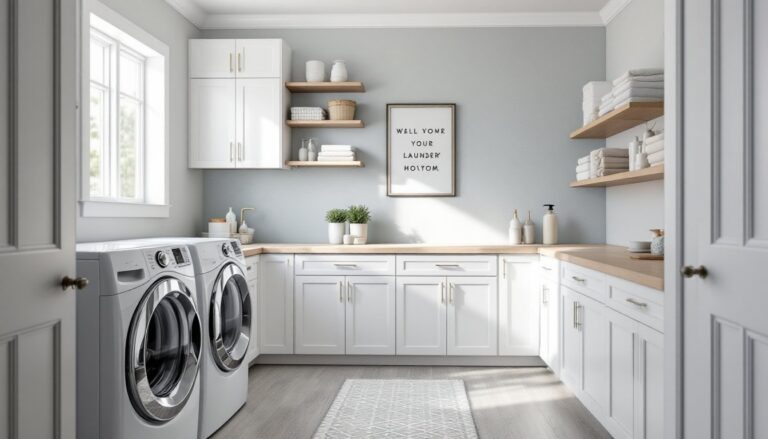
Storage or Utility: Light, reflective colors maximize visibility and make the space feel larger. White, cream, or pale gray help you spot items and reduce the “dungeon” vibe. Satin or semi-gloss finish is crucial here for durability and easy cleaning.
Wine Cellar or Bar: Here’s where deeper tones shine. Warm burgundy, deep gold, dark wood tones, or navy create an intimate, sophisticated mood. Ensure humidity control is solid first: paint won’t protect against moisture damage.
Always test colors in your actual basement under its existing lighting. Paint large swatches (2 feet × 2 feet minimum) on different walls and observe them throughout the day. Basement light changes dramatically from morning to evening, and artificial light sources interact with color differently than natural light does. A color that looks perfect in a showroom under fluorescent lights may feel entirely different in your space.